
In a touching story of unexpected family dynamics, three tiger cubs at Nanning Zoo in Guangxi Province, southern China, have found an unlikely caretaker in a dog.
Due to their mother’s illness, the cubs were left without her care, but their new canine guardian has stepped in to provide the nurturing they need.
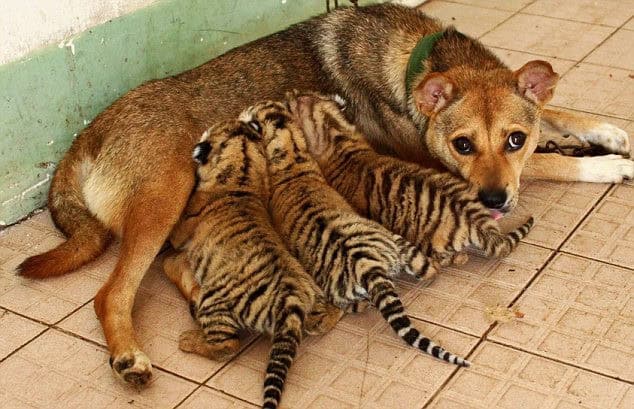
The tiger cubs’ biological mother, unable to care for them due to health issues, was replaced by a compassionate dog who has since become their surrogate mother. This heartwarming bond has captivated zoo visitors and animal lovers worldwide.
These playful cubs can be seen frolicking and engaging in light-hearted tussles, all under the watchful eye of their devoted canine guardian.
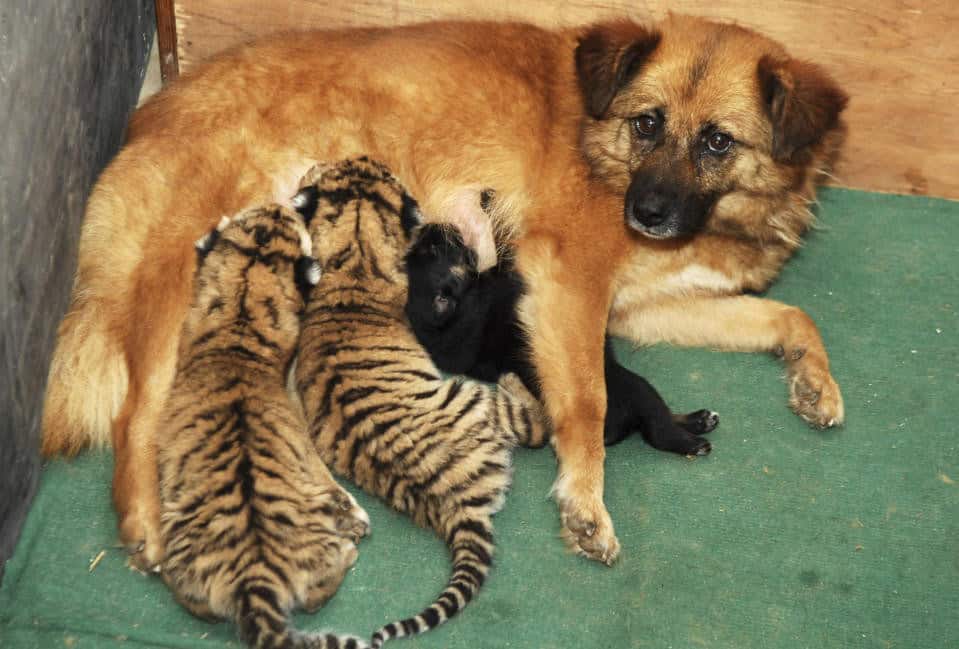
The dog has embraced her role, nurturing the cubs, allowing them to breastfeed, and ensuring they feel safe and loved in their enclosure.
This remarkable scene transcends traditional species boundaries, highlighting the adaptability and compassion within the animal kingdom.
While cross-species surrogacy is rare in China, the dog’s maternal instincts perfectly meet the needs of these abandoned cubs.
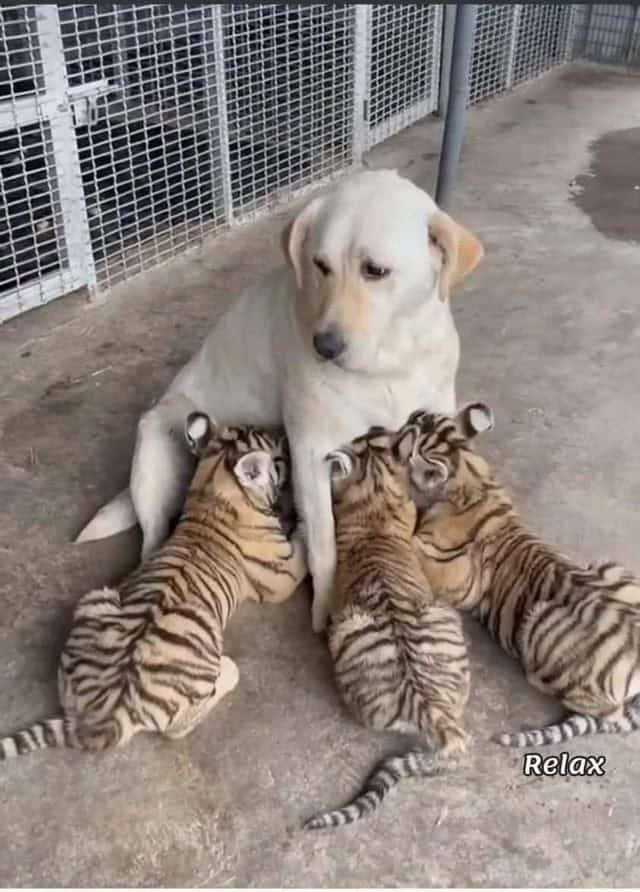
This isn’t the first instance of such a bond; in 2007, a dog named Hunai garnered international attention by nursing three tiger cubs, showcasing the universal appeal of compassion across species lines.
Animal experts note that placing orphaned animal babies with surrogate mothers of the same species is expected to prevent re-abandonment and ensure the young animals’ well-being.
However, this unique relationship between the dog and tiger cubs at Nanning Zoo is a powerful example of the resilience and adaptability inherent in animals.
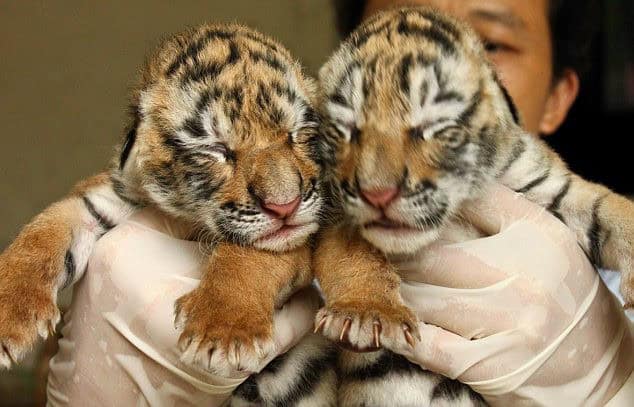
The heartwarming bond between the dog and the tiger cubs at Nanning Zoo exemplifies the strength and beauty of cross-species relationships.
This story of unexpected guardianship has become a symbol of compassion, breaking down barriers and captivating all who witness it.
As these tiger cubs thrive under the care of their unusual guardian, their story stands as a testament to the extraordinary connections that can develop even in the most unlikely circumstances.
Read more Wildlife News.


